9+ curated guides • Updated April 2025
Picture it: a smoke-filled room, clinking whiskey glasses, and Frank Sinatra getting publicly filleted by his closest friends on national television. The jokes were brutal, the stereotypes were rampant, and the entire spectacle would send a modern PR team into a meltdown. But looking back, were the Dean Martin Roasts simply a relic of a less-enlightened time, or were they the last gasp of an authentic celebrity culture we've traded for carefully curated perfection?
You see two gold necklaces: one for $300, one for $1,500. The cheaper one is the obvious choice, right? Wrong. We're going to introduce you to the single most important metric for smart shoppers—cost-per-wear—and reveal why that 'expensive' necklace might actually be the biggest bargain in the long run. This isn't about reckless spending; it's about strategic investing in your personal style. The initial sticker shock of a well-crafted piece of jewelry often masks its true, long-term affordability. We will deconstruct the factors that separate a fleeting trinket from a lifelong style companion, empowering you to analyze gold necklace designs not by their price, but by their enduring value and potential.
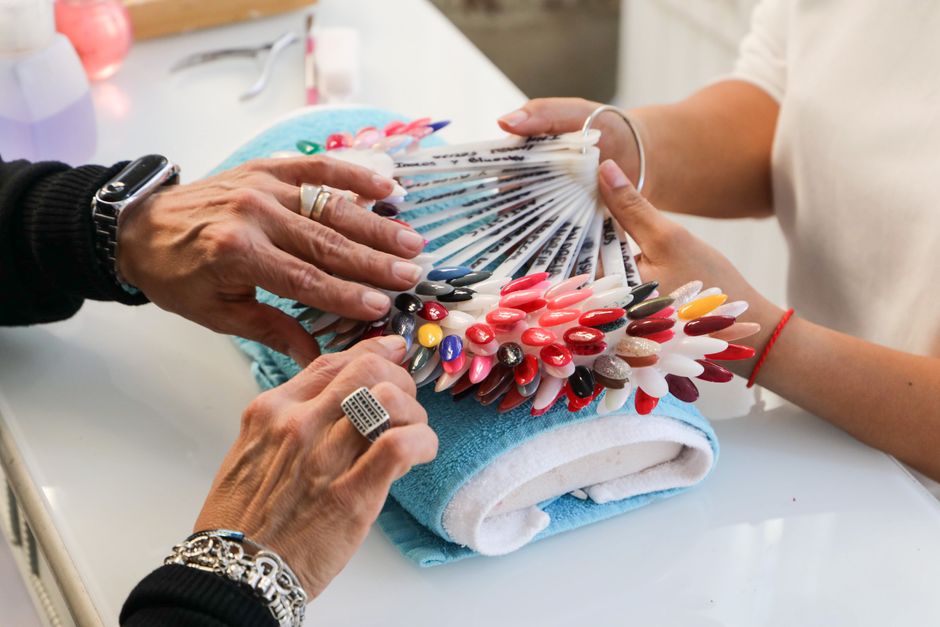
You saw the viral post and probably saved it for your next salon visit. But while the world was hunting for the perfect chrome powder, a complex financial machine was already in motion. That celebrity manicure wasn't just a pretty trend; it was a calculated economic event that generated millions, shifted product demand overnight, and proved the most powerful force in the beauty industry might be at a celebrity's fingertips. This isn't just about aesthetics; it's about arbitrage, supply chains, and the strategic deployment of cultural capital. We're moving beyond the look to uncover the ledger.
You don't need twenty ways to tie a scarf; you need a few that actually work. What's the one knot that won't fly into your face on a windy commute? How do you stay warm without a bulky knot strangling you under your coat? Forget fashion for a second—let's engineer the perfect, problem-solving scarf knot. This guide isn't a style catalog; it's a technical manual for your winter accessories. We will deconstruct the three most common cold-weather challenges and present an engineered knot—a specific, repeatable system—to solve each one. Consider this your new toolkit for mastering winter.
You see the tiny screws on the Cartier Love bracelet, but do you know the revolutionary concept of 'permanent' jewelry they represent? You admire the Trinity ring, but have you considered the physics-defying challenge of its perfect, fluid interlock? We're looking past the price tag to reveal the hidden codes and engineering genius embedded in Cartier's most iconic creations. This is not merely adornment; this is a masterclass in micro-mechanical art, where every clasp, curve, and connection tells a story of innovation.
Forget what you know about the thigh belt as merely an edgy or provocative accessory. High-fashion insiders are now wielding it as an architectural tool, a secret weapon for sculpting silhouettes and adding deliberate structure where there was none. This isn't just about adding a detail; it's about redrawing the lines of your entire look. We're witnessing a paradigm shift where accessories are no longer just adornments but active participants in the construction of an outfit. The thigh belt is the vanguard of this movement, a simple strap that holds the power to transform the mundane into the masterfully composed.
For decades, the flash of a Cartier Love bracelet or the tell-tale blue of a Tiffany box was the ultimate status symbol. But in the hushed corridors of real wealth, a quiet revolution is underway. The new pinnacle of luxury isn't a logo you can spot from across the room; it’s the bespoke piece with a story no one else knows. This isn't about austerity; it's about a profound shift in the very definition of value. The broadcast signal of mass luxury is being replaced by a highly encrypted, personal frequency understood only by those who matter. It's a move from a statement of purchasing power to a testament of personal narrative and discerning taste.
You’ve seen it online and stamped on a beautiful pair of earrings: '925 Gold'. It sounds like the perfect blend of quality and affordability, but this popular marking hides a crucial secret the jewelry industry banks on you not knowing. Before you make your next purchase, let's separate the marketing magic from the material fact. This isn't an article about a new, exciting gold alloy. This is a public service announcement. '925 Gold' is one of the most pervasive and misleading terms in the jewelry world, a clever piece of linguistic sleight-of-hand designed to make you believe you're getting more gold for your money. The reality is far less glittering. We're going to dismantle this term, expose what you're truly buying, and arm you with the knowledge to distinguish between a fleeting trend and a lasting treasure.
Look around, and you'll see it twinkling on fingers everywhere: the delicate star ring. But this celestial obsession is more than just an aesthetic choice; it's a subconscious signal. In an age of overwhelming uncertainty, we are choosing to wear our own personal North Star, a tiny, powerful symbol of hope and direction right on our hands. This isn't merely about accessorizing; it's about psychologizing our style. We are witnessing a collective turn towards objects imbued with personal meaning, a quiet rebellion against the noise of modern life. The star ring has become the emblem of this movement—a wearable anchor in the chaotic sea of daily existence, reminding us of our own inner light and the unique mythology we are building for ourselves, one day at a time.